The Food Revolution of 2025
India’s relationship with food is undergoing a remarkable transformation in 2025. Eating is no longer just about satisfying hunger or following tradition. Instead, it has become a conscious lifestyle choice that reflects health priorities, environmental awareness, and even personal identity. From bustling metro cities to smaller towns, people are questioning what they eat, how they eat, and why they eat certain foods.
The shift is driven by multiple factors: the growing influence of social media, exposure to global food cultures, government promotion of traditional grains, and rising awareness about wellness. As a result, diets in India today look very different from what they were just five years ago.
Plant-Based Diets Take Center Stage
Vegetarianism has always had a strong presence in India, but 2025 is seeing a new wave of plant-based eating. Unlike the traditional vegetarian lifestyle rooted in religion or culture, the modern plant-based movement is led by health awareness and environmental consciousness.
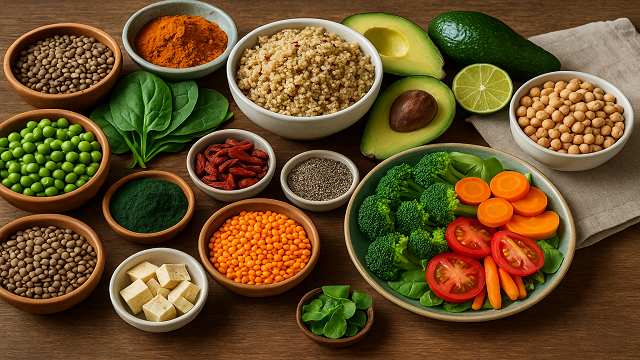
Young professionals, athletes, and even celebrities are publicly endorsing veganism or flexitarian diets. Meat consumption in urban households is reducing, replaced by plant proteins like soy, pulses, and chickpeas. Plant-based dairy alternatives, oat milk, almond milk, and soy yogurt — are widely available in supermarkets and cafes.
Interestingly, this trend is not just limited to metros like Mumbai and Delhi. Tier-2 and Tier-3 cities are also adopting plant-based options, driven by both affordability and health benefits. Food delivery platforms now have separate vegan sections, and restaurants are creating innovative plant-based menus that appeal to younger audiences.
Rediscovery of Indian Superfoods
For years, superfoods meant imported items like chia seeds, kale, or quinoa. But in 2025, Indians are rediscovering the power of local, traditional ingredients. Millets, moringa, turmeric, and amla are now central to modern diets. The government’s promotion of millets as “smart foods” has given them renewed relevance. Schools are serving millet-based meals, restaurants are adding millet bowls, and packaged food brands are launching millet-based snacks.
The resurgence of local superfoods is also tied to sustainability. By choosing indigenous crops, consumers support local farmers and reduce dependence on imports. Ayurveda too plays a role here, as people recognize the healing benefits of herbs and spices like ashwagandha, giloy, and tulsi, now packaged into teas, capsules, and energy bars.
This revival bridges the gap between tradition and modernity , making age-old Indian superfoods relevant for a digital-first generation.
The Rise of Functional and Mindful Eating
In 2025, food is being designed to do more than just fill the stomach. Functional eating, choosing foods for specific benefits like better sleep, improved digestion, or stronger immunity — is booming. Probiotic drinks, herbal teas, vitamin-fortified snacks, and brain-boosting beverages are widely consumed.
At the same time, mindful eating is emerging as an important cultural shift. Indians are learning to slow down, eat without distractions, and pay attention to portion sizes. Urban professionals are consciously taking time away from screens during meals, while wellness retreats emphasize food rituals that combine nutrition with mindfulness.
This cultural reset is reducing reliance on heavily processed foods and encouraging a return to natural, home-cooked meals.
Technology in the Kitchen
Technology has become a silent partner in the Indian kitchen. Nutrition apps suggest personalized meal plans, smart watches track calorie intake, and AI-based platforms recommend recipes based on available ingredients. Grocery delivery apps are also tailoring orders to dietary preferences, making healthy eating easier than ever.
Even appliances are part of this shift. Air fryers, smart blenders, and electric steamers are now household staples, enabling families to cook healthier meals with less oil and effort. Technology is not replacing traditional cooking but enhancing it, blending convenience with conscious choices.
Urban vs Rural Food Habits
The urban-rural divide is narrowing when it comes to healthy eating. While cities lead the trend in plant-based diets and tech-driven solutions, rural areas are influencing the movement through natural and seasonal eating habits. Farmers’ markets are becoming popular in cities, connecting urban consumers with organic produce directly from villages.
In rural areas, people still rely heavily on locally grown grains, pulses, and vegetables. These habits are now being recognized as inherently sustainable and healthier compared to processed urban diets. The cultural exchange between rural authenticity and urban innovation is creating a hybrid food culture across India.
Influence of Social Media
Instagram reels, YouTube food channels, and wellness influencers have changed the way Indians think about food. Viral recipes featuring smoothies, millet bowls, or Ayurvedic teas are inspiring people to experiment. Social media not only spreads awareness but also normalizes healthier choices, making them aspirational.
At the same time, social media has created pressure to eat “aesthetic” meals, which some experts warn can lead to unhealthy obsession. But overall, the visibility of healthy eating online has made it more mainstream and accessible.
Sustainability and Conscious Choices
Another strong trend in 2025 is the integration of sustainability into eating habits. More consumers are asking: Where does my food come from? How is it produced? What impact does it have on the planet? This consciousness is changing purchasing decisions.
Organic farmer markets are flourishing. Restaurants advertise not only their menus but also their zero-waste initiatives. Eco-conscious packaging, composting food waste, and sourcing from local farmers are now valued by customers. Younger Indians especially are demanding that their food choices align with eco-friendly values.
Ayurveda in Modern Diets
Ayurveda, India’s ancient science of wellness, is experiencing a revival in modern diets. Instead of being confined to traditional households, Ayurvedic principles are now packaged into teas, powders, and supplements that fit into contemporary lifestyles.
For example, turmeric lattes, herbal detox drinks, and immunity powders are being consumed daily by millennials and Gen Z. Ayurveda is no longer seen as old-fashioned but as a science-backed approach to sustainable wellness. This integration of Ayurveda with global health trends is positioning India as a global influencer in the healthy eating movement.
Global Influence on Indian Food Culture
While India is rediscovering its roots, it is also borrowing global trends. Mediterranean diets, Japanese matcha teas, and Korean fermented foods like kimchi are gaining popularity. Fusion restaurants are blending these global superfoods with Indian flavors, creating menus that are both familiar and adventurous.
This exchange reflects India’s growing global identity. Indians are open to experimenting with foreign food cultures while adapting them to local tastes.
Expert Insights
Nutritionists believe India’s food revolution is not just a passing trend but a cultural reset. They emphasize that younger generations are shaping the future by prioritizing health, sustainability, and authenticity. However, experts also warn of challenges such as misinformation on social media, affordability of organic products, and the need for consistent food education.
Despite these hurdles, the trajectory is clear. India is moving towards a future where eating habits are healthier, more sustainable, and deeply connected to cultural roots.
Healthy eating in India in 2025 is more than a diet, it is a lifestyle. Plant-based choices, rediscovery of local superfoods, mindful eating, tech-driven nutrition, and sustainable practices are all reshaping the nation’s food culture. The balance of tradition and modernity ensures that India’s culinary identity remains strong while adapting to global standards.
For individuals, the message is simple: eating well today means caring not only for personal health but also for the planet and society. Food is no longer just about survival, it is about conscious living.